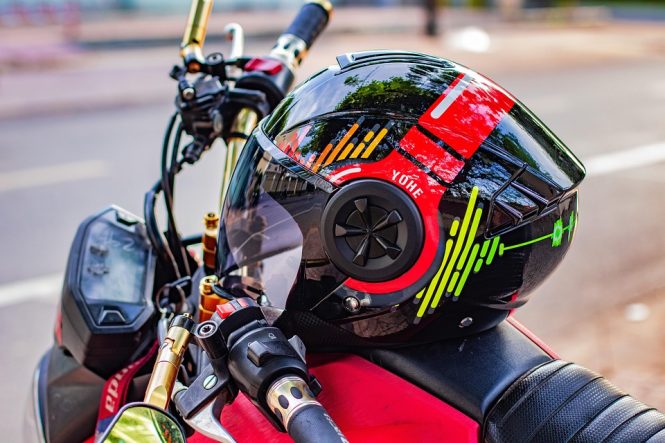
The Iconic Motorcycle: How Bikes Have Shaped Pop Culture
Motorcycles have been an integral part of pop culture for decades, symbolizing freedom, rebellion, and a sense of adventure. From the iconic bikes of Hollywood blockbusters to the subcultures that have formed around them, motorcycles have left an indelible mark on our collective imagination. In this article, we will explore the significant impact that motorcycles have had on pop culture, from the early days of biker gangs to the modern era of high-tech superbikes.
The Birth of the Biker Culture
The post-World War II era saw a surge in motorcycle ownership, particularly among young men who had returned from the war. These veterans, seeking adventure and camaraderie, formed motorcycle clubs, which eventually evolved into the biker gangs we know today. The most notorious of these gangs, the Hell’s Angels, was formed in 1948 in California and quickly gained notoriety for their rebellious attitude and love of motorcycles.
As biker culture grew, so did its influence on pop culture. The 1950s and 1960s saw a proliferation of motorcycle-themed movies, including “The Wild One” (1953) and “Easy Rider” (1969). These films cemented the motorcycle’s status as a symbol of rebellion and nonconformity, inspiring a generation of young people to hit the open road on two wheels.
The Rise of the Chopper
The 1960s and 1970s saw the rise of the chopper, a customized motorcycle that had been stripped of its extraneous parts and rebuilt to emphasize speed and style. The chopper became an iconic symbol of the counterculture movement, with its long, stretched frame and gleaming chrome pipes. Movies like “Easy Rider” and “The Losers” (1970) showcased these bikes, further solidifying their place in pop culture.
As the chopper culture grew, so did the art of motorcycle customization. Builders like Arlen Ness and Billy Lane became famous for their extravagant creations, which were showcased in magazines and on television. This customization culture paved the way for the modern era of motorcycle manufacturing, where companies like Harley-Davidson and Yamaha offer a wide range of customized bikes to suit every taste and style.
Motorcycles in Music
Motorcycles have also had a significant impact on music, particularly in the genres of rock and roll and heavy metal. Bands like The Rolling Stones, The Who, and Guns N’ Roses have all referenced motorcycles in their lyrics, while artists like Elvis Presley and Bruce Springsteen have been known to ride bikes themselves.
The iconic motorcycle has also been immortalized in song, with tracks like “Leader of the Pack” (1964) and ” Motorcycle Mama” (1970) becoming anthems for the biker community. The motorcycle’s association with rock music has endured, with modern bands like Foo Fighters and Queens of the Stone Age referencing bikes in their lyrics.
Modern Era: Superbikes and Celebrity Culture
In recent years, the motorcycle has continued to evolve, with advances in technology leading to the development of high-performance superbikes. These bikes, with their sleek designs and incredible speed, have become status symbols for celebrities and wealthy enthusiasts alike.
Celebrities like Jay Leno, Brad Pitt, and Ewan McGregor are all keen motorcyclists, with Leno even hosting a popular TV show dedicated to motorcycles. The motorcycle’s association with celebrity culture has helped to fuel its enduring popularity, with many young people aspiring to own a bike like their heroes.
Conclusion
The iconic motorcycle has had a profound impact on pop culture, shaping our perceptions of freedom, rebellion, and adventure. From the early days of biker gangs to the modern era of high-tech superbikes, the motorcycle has remained a symbol of cool, a status symbol that continues to inspire and fascinate us. Whether you’re a seasoned biker or just a fan of the culture, the motorcycle’s influence on pop culture is undeniable, and its legend will continue to endure for generations to come.