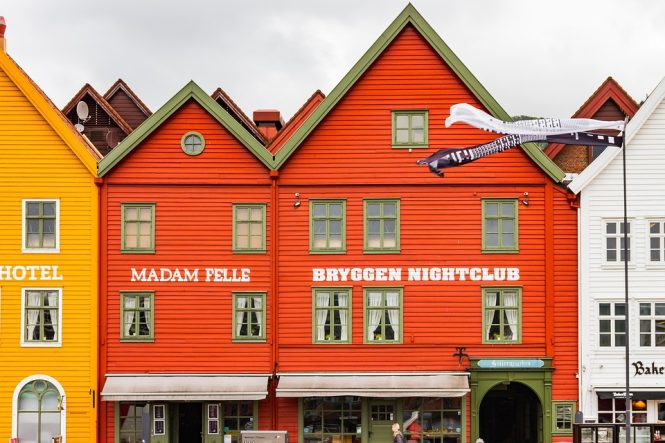
Cultural and Historical Destinations: Exploring the Rich Heritage of Our World
Our world is home to a diverse array of cultural and historical destinations that showcase the rich heritage of human civilization. From ancient ruins to modern museums, these sites offer a glimpse into the past, present, and future of our global community. In this article, we will embark on a journey to explore some of the most significant cultural and historical destinations around the world.
Ancient Wonders
The ancient world was home to some of the most impressive architectural and cultural achievements in human history. The Pyramids of Giza in Egypt, the Colosseum in Rome, and the Acropolis in Athens are just a few examples of the many ancient wonders that continue to inspire awe and fascination. These sites not only demonstrate the engineering and artistic skills of our ancestors but also provide a window into the social, political, and religious practices of ancient civilizations.
Museums and Galleries
Museums and galleries are treasure troves of cultural and historical artifacts, offering a unique opportunity to explore the art, literature, and traditions of different societies. The Louvre in Paris, the Metropolitan Museum of Art in New York, and the British Museum in London are just a few examples of the many world-class museums that house vast collections of cultural and historical significance. These institutions not only preserve our cultural heritage but also provide a platform for education, research, and cultural exchange.
Historical Cities
Many cities around the world are steeped in history and culture, offering a unique blend of traditional and modern attractions. Cities like Paris, Rome, and Istanbul are famous for their historic landmarks, cultural festivals, and vibrant arts scenes. Other cities, like Kyoto, Tokyo, and Beijing, offer a glimpse into the traditional cultures of Asia, with their temples, gardens, and historic neighborhoods. These cities are not only important cultural and historical destinations but also thriving metropolises that embody the diversity and complexity of modern society.
Natural and Cultural Landscapes
In addition to urban destinations, many natural and cultural landscapes around the world are recognized for their cultural and historical significance. The Grand Canyon, the Great Barrier Reef, and the Serengeti National Park are just a few examples of the many natural wonders that have been shaped by human activity and cultural practices. Other sites, like the Taj Mahal, the Great Wall of China, and the Easter Island moai, are famous for their cultural and historical significance, demonstrating the intricate relationships between human society and the natural environment.
Intangible Cultural Heritage
Our cultural heritage is not just limited to physical sites and artifacts but also includes intangible traditions, such as music, dance, and cuisine. The UNESCO Intangible Cultural Heritage list recognizes the importance of these traditions, which are often transmitted from generation to generation through oral and practical means. Examples of intangible cultural heritage include the flamenco music and dance of Spain, the kabuki theater of Japan, and the traditional cuisine of Italy. These traditions not only reflect the diversity of human culture but also provide a sense of continuity and community in an increasingly globalized world.
Conclusion
Cultural and historical destinations are an essential part of our global heritage, offering a unique window into the past, present, and future of human civilization. Whether we are exploring ancient ruins, visiting museums and galleries, or experiencing the vibrant cultures of modern cities, these destinations remind us of the importance of preserving our cultural heritage for future generations. As we continue to navigate the complexities of modern society, it is essential that we prioritize the protection and promotion of our cultural and historical destinations, recognizing the significant role they play in shaping our identities, fostering creativity, and promoting cross-cultural understanding.