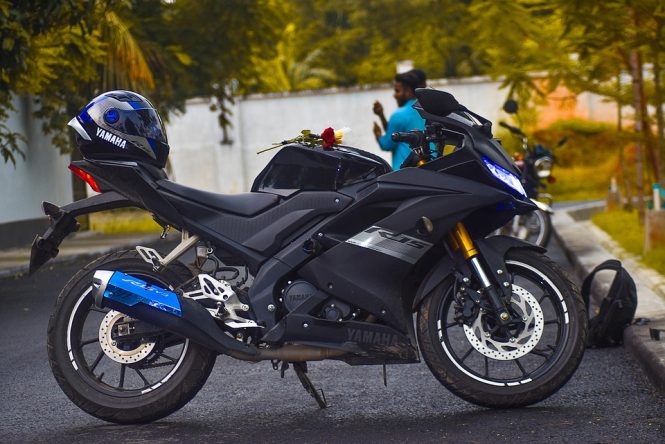
Troubleshooting 101: How to Fix Common Motorcycle Problems
As a motorcycle enthusiast, there’s nothing more frustrating than being stuck on the side of the road with a broken bike. However, with some basic knowledge and troubleshooting skills, you can quickly identify and fix common motorcycle problems, getting you back on the road in no time. In this article, we’ll cover some of the most common issues that can occur with motorcycles and provide step-by-step guides on how to troubleshoot and repair them.
Problem 1: Dead Battery
A dead battery is one of the most common issues that can leave you stranded. If your motorcycle won’t start, the first thing to check is the battery. Here’s how to troubleshoot a dead battery:
- Check the battery terminals for corrosion or damage. Clean them with a wire brush and baking soda if necessary.
- Check the battery voltage using a multimeter. A fully charged battery should read around 12.6 volts.
- If the voltage is low, try jump-starting the bike using another motorcycle or a car.
- If the battery is old or damaged, consider replacing it with a new one.
Problem 2: Faulty Spark Plug
A faulty spark plug can cause poor engine performance, misfires, and even prevent the bike from starting. Here’s how to troubleshoot a faulty spark plug:
- Remove the spark plug and inspect it for signs of wear or damage.
- Check the spark plug gap using a gap gauge. The recommended gap is usually specified in the owner’s manual.
- Clean or replace the spark plug if necessary.
- If the problem persists, consider checking the ignition system, including the coil, spark plug wires, and ignition module.
Problem 3: Low Oil Pressure
Low oil pressure can cause engine damage and lead to costly repairs. Here’s how to troubleshoot low oil pressure:
- Check the oil level and top it off if necessary.
- Check the oil filter for blockages or damage. Replace it if necessary.
- Check the oil pump for signs of wear or damage.
- If the problem persists, consider checking the engine for signs of wear or damage, such as excessive engine noise or vibration.
Problem 4: Faulty Brakes
Faulty brakes can be a serious safety issue. Here’s how to troubleshoot brake problems:
- Check the brake pads for wear or damage. Replace them if necessary.
- Check the brake fluid level and top it off if necessary.
- Check the brake lines for signs of damage or leakage.
- If the problem persists, consider checking the brake calipers, master cylinder, or ABS system.
Problem 5: Electrical Issues
Electrical issues can be tricky to diagnose, but here are some common causes and solutions:
- Check the fuse box for blown fuses. Replace them if necessary.
- Check the wiring for signs of damage or wear. Repair or replace it if necessary.
- Check the battery and charging system for signs of wear or damage.
- If the problem persists, consider checking the electrical system, including the ignition switch, headlights, and turn signals.
Additional Tips
- Always refer to your owner’s manual for specific troubleshooting and repair instructions.
- Keep a basic toolkit and spare parts on hand, such as a spark plug, air filter, and oil filter.
- Consider taking a motorcycle maintenance course to learn more about troubleshooting and repair.
- If you’re not comfortable with DIY repairs, consider taking your bike to a professional mechanic.
Conclusion
Troubleshooting common motorcycle problems can be a challenge, but with the right knowledge and skills, you can quickly identify and fix issues, getting you back on the road in no time. Remember to always refer to your owner’s manual, keep a basic toolkit and spare parts on hand, and consider taking a motorcycle maintenance course to learn more about troubleshooting and repair. By following these tips and guidelines, you’ll be well on your way to becoming a proficient motorcycle troubleshooter and enjoying many happy miles on the road.